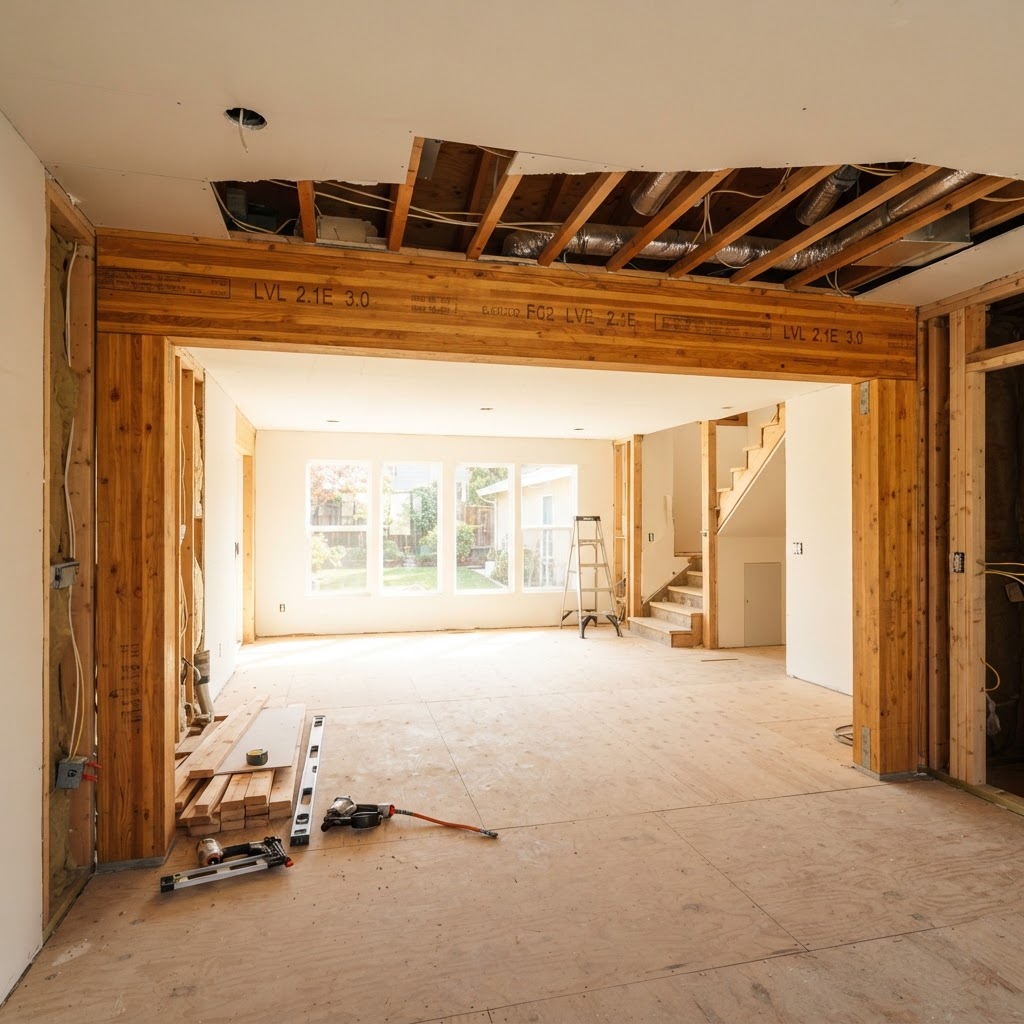
Common Structural Problems in Philadelphia Rowhomes
Learn about common structural concerns found in Philadelphia rowhomes, including sagging floors, damaged joists, masonry deterioration, water damage, and previous modifications.
Philadelphia rowhomes can remain strong for generations, but age, moisture, previous renovations, and changes to the original structure can create problems over time. Knowing what to look for can help homeowners determine when a condition deserves a closer look.
Why Philadelphia Rowhomes Develop Structural Problems
Many Philadelphia rowhomes were built decades ago using construction methods and materials that differ from newer homes. Over time, the structure may also have been affected by moisture, deterioration, settlement, renovations, or modifications made by previous owners.
The age of a home alone does not mean it has a structural problem. Many older Philadelphia homes remain structurally sound. Concerns usually arise when specific components have deteriorated, moved, been damaged, or were altered improperly.
Common contributing factors can include:
- Long-term moisture exposure
- Deteriorated wood framing
- Changes made during previous renovations
- Inadequate support after structural modifications
- Masonry deterioration
- Movement or settlement
- Plumbing or roof leaks affecting framing
- Aging materials
1. Sagging or Uneven Floors
Slight variations in floors are common in older homes, but noticeable sagging, movement, or changes over time can sometimes indicate a problem with the supporting structure below.
Potential causes may include:
- Damaged floor joists
- Deteriorated framing
- Previous joist modifications
- Inadequate support
- Moisture damage
- Changes to beams or supporting walls
The important question is not simply whether the floor is perfectly level, but why it is moving or sagging and whether the condition is stable. If you're noticing these conditions, BC Property Development offers structural repair services for Philadelphia homes that may help.
2. Damaged or Altered Floor Joists
Floor joists carry loads from the floors above and transfer them to supporting walls, beams, and other structural components. Problems can develop when joists deteriorate or are significantly altered.
Common situations include:
- Moisture-related deterioration
- Previous plumbing cuts or openings
- Notches or holes that affect the joist
- Previous renovation work
- Splitting or cracking
- Inadequate reinforcement
- Damage discovered after ceilings or floors are opened
Not every hole or notch means a joist has failed. The location, size, condition, and role of the affected framing all matter. Damaged joists should be evaluated in context rather than assumed to require immediate replacement.
3. Structural Beams and Supports
Beams and supporting components help transfer loads through the home. Problems with these elements can sometimes contribute to sagging floors, movement, or other visible symptoms.
Potential concerns can include:
- Deterioration
- Improper previous modifications
- Inadequate support
- Damage from moisture
- Movement at bearing points
- Changes made during previous renovations
Because beams carry significant loads, changes to these components should be evaluated by someone who understands how the structure works. Structural repair services can help identify whether a beam-related condition needs corrective work.
4. Load-Bearing Walls That Were Modified
Open floor plans are popular, and many Philadelphia rowhomes have been renovated multiple times. Problems can occur when a load-bearing wall or structural opening was modified without providing appropriate support.
Possible warning signs may include:
- Sagging near a previous wall opening
- Cracking around openings
- Noticeable changes in floor level
- Movement in framing
- Improvised or questionable support visible during renovation
Determining whether a wall is load-bearing and how it should be modified may require professional evaluation. Structural modifications can also require engineering or permits depending on the project. When the work involves multiple trades, general contracting can help coordinate the project alongside any structural repairs.
5. Masonry Deterioration
Masonry is a major part of Philadelphia's older housing stock. Brick and mortar can remain durable for a very long time, but moisture, age, movement, and previous repairs can contribute to deterioration.
Visible conditions can include:
- Deteriorated mortar
- Loose or damaged masonry
- Cracking
- Areas affected by repeated moisture
- Movement around openings
- Previous repairs that are failing
Not every masonry crack is structural. The pattern, location, severity, and whether the condition is changing are more informative than the presence of a crack by itself.
6. Water Damage Affecting Structural Framing
Water can create structural problems indirectly by damaging materials over time. Roof leaks, plumbing leaks, exterior water intrusion, or repeated moisture exposure can affect wood framing and surrounding building materials.
Possible signs include:
- Soft or deteriorated wood
- Discoloration
- Rot
- Persistent moisture
- Damaged framing near bathrooms or kitchens
- Deterioration near exterior walls or roof areas
Repairing damaged framing without addressing the source of moisture can allow the problem to return.
7. Structural Problems Hidden by Previous Renovations
One challenge with older homes is that the current finishes don't always tell the full story of what happened previously. Walls, ceilings, flooring, and other finishes may conceal older repairs or modifications.
Structural conditions are sometimes discovered only after renovation work begins and portions of the building are opened.
Potential discoveries can include:
- Altered framing
- Removed supports
- Damaged joists
- Previous water damage
- Improvised repairs
- Unexpected masonry conditions
For this reason, home renovations and general contracting projects in older Philadelphia properties sometimes uncover conditions that need to be addressed as part of the work.
When Should You Be Concerned?
A single symptom does not automatically mean a home has a serious structural problem. What matters is the combination of conditions, whether they are changing, and what is causing them.
Conditions that may deserve closer attention include:
- A floor that has noticeably changed
- Cracks that continue to grow or return
- Visible deterioration of structural framing
- Movement around doors or windows
- Structural components damaged by moisture
- Problems discovered during renovation
- Questionable previous structural modifications
- Multiple symptoms occurring in the same area
New or Changing Conditions Matter
Conditions that are actively changing can be more significant than imperfections that have remained stable for many years. If you're unsure what you're seeing, having the affected area evaluated can help determine the appropriate next step.
Contractor or Structural Engineer: Who Do You Need?
The answer depends on the problem and the work being considered. Contractors perform construction and repair work, while structural engineers can evaluate structural conditions and provide engineering analysis, calculations, or repair specifications when required.
Some projects may require both. For example, an engineer may develop or approve a structural repair approach, while a contractor performs the construction according to the applicable plans or specifications.
BC Property Development performs structural repair and construction work. We do not represent ourselves as a structural engineering firm.
Structural Repairs in Philadelphia Rowhomes
Structural repair work should address the actual condition rather than simply covering the visible symptom. A sagging floor, for example, may have a different underlying cause from one property to another.
BC Property Development performs structural repair work for Philadelphia-area residential properties involving framing, joists, beams, walls, masonry, and related building components.
Learn About Our Structural Repair Services
Philadelphia Rowhome Structural FAQs
Are uneven floors normal in old Philadelphia rowhomes?
Some variation can be common in older homes, but noticeable sagging, movement, or changes over time may deserve further evaluation. The cause matters more than whether a floor is perfectly level.
Does a crack in a brick wall mean there is structural damage?
Not necessarily. Cracks can develop for different reasons. Their pattern, location, size, surrounding conditions, and whether they are changing all help determine their significance.
Can damaged floor joists be repaired?
Depending on the condition, damaged joists may sometimes be repaired or reinforced, while other situations may require replacement or a different repair approach. The appropriate solution depends on the actual damage and structural requirements.
Do I need a structural engineer?
Some structural conditions and modifications may require evaluation, drawings, calculations, or specifications from a licensed structural engineer. Whether engineering is necessary depends on the condition and proposed work.
Can previous renovations cause structural problems?
Improper structural modifications can create problems, particularly when load-bearing components were changed without appropriate support. However, the presence of a previous renovation alone does not mean the home has a structural problem.
Does BC Property Development work on Philadelphia rowhomes?
Yes. BC Property Development performs residential construction and structural repair work on Philadelphia-area properties, including rowhomes and older homes.
Concerned About a Structural Problem in Your Home?
If you've noticed sagging floors, damaged framing, structural movement, or another concern, tell us what you're seeing. BC Property Development can discuss the condition and help determine the appropriate next step.
Request a Structural Consultation
Or call us at (484) 832-2585.
Related Articles

Signs Your Home May Need Structural Repairs
Foundation cracks, sagging floors, and sticking doors can all signal structural problems. Learn the warning signs and when to call a professional.